

Travel has fundamentally evolved from a logistically complex endeavor into a seamless, interconnected experience. For generations, planning a trip meant navigating physical brochures, consulting specialized travel agents, carrying paper tickets, and keeping physical folders of confirmation documents. Today, the global travel and tourism landscape is undergoing a massive transformation driven by the rapid maturity of the digital world. Technology is no longer merely an administrative convenience for booking flights or hotel rooms; it is actively reshaping how humans discover, navigate, experience, and remember their journeys.
The integration of artificial intelligence, high-fidelity digital identification ecosystems, immersive reality tools, and smart automation has initiated an era of hyper-personalized exploration. As borders become more digitized, the friction historically associated with global mobility is dissolving, allowing individuals to focus entirely on cultural immersion and leisure.
Biometric Ecosystems and Frictionless Border Crossing
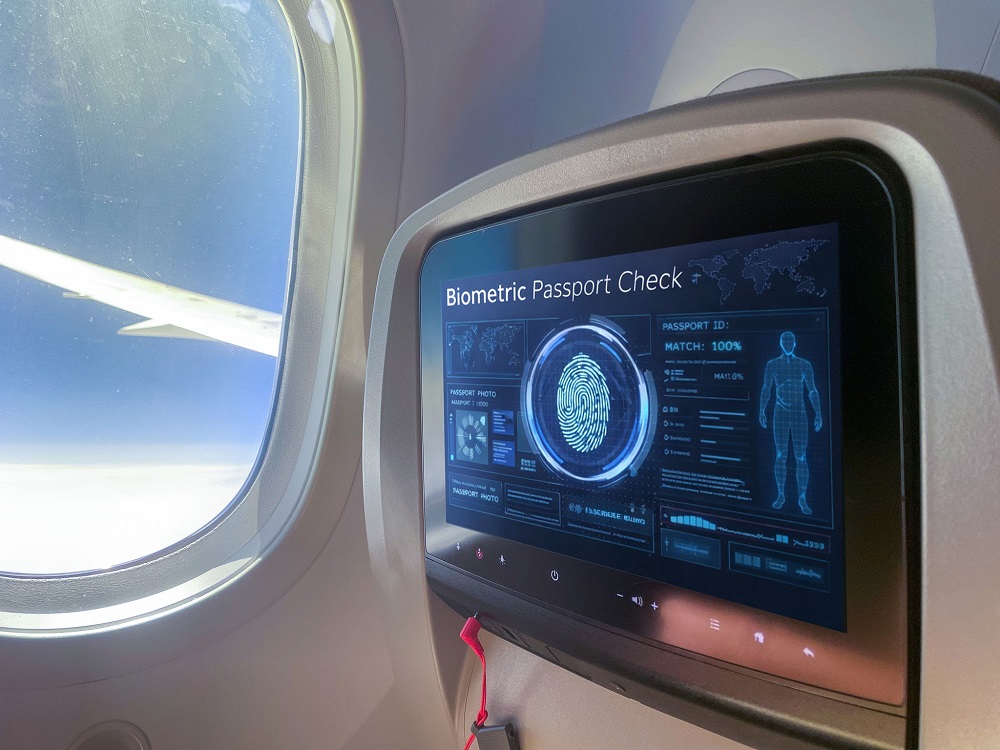
The most visible bottleneck in international travel has traditionally been security checkpoints and customs processing. The future of travel relies heavily on eliminating physical documentation through advanced biometric identification networks.
The Emergence of Tokenized Identity
Modern hubs are rapidly transitioning toward a single token identity system. By using unique physical characteristics, such as facial geometry, iris patterns, and fingerprint configurations, transport networks eliminate the need for passengers to present physical passports, visas, or paper boarding passes at multiple checkpoints.
- Integrated Bag Drop: Smart kiosks scan a passenger face, match it against their digital check-in profile, and automatically print luggage tags, requiring zero human intervention.
- Automated Security Corridors: Walk-through biometric corridors analyze facial features in motion, verifying passengers against government databases while they walk toward the gate area, preventing standard physical queues.
- Smart Boarding Gates: Passengers board aircraft simply by stepping in front of a facial scanning lens, which confirms their seating assignment and opens the boarding partition in seconds.
This digital layer significantly reduces operational transit times for transport terminals while vastly improving national security frameworks through highly accurate, automated identity verification.
Artificial Intelligence and Hyper-Personalized Itinerary Curation
Traditional online travel agencies revolutionized discovery by aggregating prices, but they still forced consumers to sort through thousands of options manually. The future of travel planning is guided by conversational and predictive artificial intelligence platforms that understand the specific, nuanced preferences of the individual traveler.
Predictive Recommendation Software
Modern travel engines analyze vast arrays of contextual data, including a traveler past reviews, historical spending velocity, personal dietary needs, and circadian rhythm habits, to compile customized travel plans. Rather than presenting generic itineraries, these systems predict optimal activity arrangements based on micro-variables like real-time local weather shifts, regional traffic density, and fluctuating queue times at popular monuments.
Conversational Mobile Conceirges
During the trip, mobile applications act as intelligent personal concierges that adapt continuously to unexpected disruptions. If an airline registers a flight delay due to severe weather, the integrated travel application automatically restructures the connected segments. The system can instantly change hotel reservation windows, update pre-booked ground transportation arrival times, and secure alternative tour slots without the traveler needing to contact multiple customer support hotlines.
Immersive Realities and Extended Exploration Dynamics
Extended reality tech, which encompasses virtual and augmented reality platforms, is changing the marketing and actual destination navigation components of tourism. It expands the physical journey by providing deeper contextual understanding before and during exploration.
Virtual Pre-Travel Previews
Choosing an international holiday destination can be a high-cost gamble. Virtual reality platforms allow consumers to preview their journeys through high-fidelity, immersive environments before committing financial capital. Prospective travelers can walk through a digital recreation of a hotel suite, inspect the panoramic views from a cruise ship deck, or explore a representation of a remote natural park. This experiential research reduces purchase anxiety and ensures expectation alignment.
Augmented Overlay Navigation
Once on the ground, augmented reality transforms how travelers absorb historical and cultural data. By looking through smart glasses or a smartphone camera lens, visitors can view real-time digital text translations, context clues, and historical reconstructions superimposed directly onto physical ruins. For example, a traveler standing inside an ancient amphitheater can see the structures digitally rebuilt to their original architectural glory, complete with historical animations and localized audio narratives.
The Transformation of Hospitality via the Internet of Things
The digital world has completely entered the modern hotel room, converting static lodging spaces into intelligent, responsive environments that memorize guest behavior profiles to maximize personal comfort.
The Connected, Keyless Guestroom
Physical key cards are being phased out by encrypted mobile application keys that interact with smart door locks via low-energy proximity sensors. Upon room entry, the ambient infrastructure automatically synchronizes with the guest pre-established digital profile. The smart room configures the motorized window shades, sets the internal thermostat to the guest preferred temperature, and updates the smart television interface with their streaming account credentials and language options.
Operational Automation and Smart Maintenance
Behind the scenes, the internet of things allows hotel operators to maintain high sustainability metrics. Smart environmental sensors detect room occupancy levels, automatically shifting lighting and climate control systems into energy-saving modes when guests leave for the day. Predictive maintenance software tracks the performance metrics of heating elements, plumbing systems, and electronic appliances, alerting facility engineers to address potential system issues before they disrupt the guest experience.
The Growth of the Independent Digital Nomad Infrastructure
The digital world has permanently detached professional production from traditional corporate office layouts. The rise of long-term remote working infrastructure is changing how people view the relationship between employment and international travel.
Dedicated Professional Spaces and Hybrid Visas
Governments worldwide are acknowledging this demographic shift by introducing dedicated digital nomad visas, allowing remote professionals to reside legally in foreign nations for extended durations without seeking local corporate sponsorship. Concurrently, the hospitality sector is redesigning its real estate to include high-speed satellite internet connections, quiet micro-office booths, modular meeting spaces, and long-term stay micro-apartments that cater explicitly to the lifestyle needs of professional travelers.
Frequently Asked Questions
How do smart airport biometric systems protect international traveler data privacy?
Biometric travel systems protect user privacy by converting physical images into highly encrypted, mathematical data strings rather than storing actual photographs of faces or irises. These digital tokens are processed within decentralized, secure government networks and are automatically deleted or scrubbed from terminal hardware within a fixed timeframe following flight departure, minimizing the risk of systemic data breaches.
What is the mechanical difference between standard satellite navigation and augmented reality mapping?
Standard satellite navigation relies on broad global positioning coordinates to trace a user location on a two-dimensional digital map screen, which can occasionally lose precision in dense urban canyons. Augmented reality mapping utilizes a smartphone camera or smart glasses to actively scan the surrounding physical environment, cross-referencing visual landmarks in real time to overlay explicit directional arrows directly onto the actual street view, offering significantly higher navigational clarity.
How does blockchain technology integrate into the future of travel loyalty programs?
Blockchain technology converts fragmented airline and hotel loyalty points into unified, secure digital assets stored on a decentralized ledger. This configuration allows travelers to instantly exchange, trade, or combine reward points across completely separate corporate brands without incurring transaction fees or processing delays, creating a highly liquid loyalty ecosystem that functions like standard currency.
Will the implementation of virtual reality tourism reduce the public demand for physical travel?
Historical data indicates that virtual reality tourism serves as a powerful discovery mechanism rather than a replacement for physical journeys. While a virtual simulation can replicate visual and auditory data accurately, it cannot replicate the tactile feedback, culinary authenticities, spontaneous human interactions, and emotional resonance of being physically present in a foreign culture, ultimately inspiring deeper desires for physical exploration.
How do dynamic pricing algorithms function within modern digital booking systems?
Dynamic pricing software uses complex algorithms to adjust flight and hotel rates in real time based on continuous variable analysis. The system tracks metrics including localized search frequency trends, historical reservation speeds for specific dates, competing operator pricing structures, seat availability percentages, and sudden shifts in fuel market valuations, adjusting prices continuously to maximize corporate revenue based on real-time market demand.
What steps are travel operators taking to ensure digital connectivity in ultra remote wilderness destinations?
To support modern travelers and remote workers who visit isolated eco-lodges or wilderness camps, operators are heavily integrating low-Earth-orbit satellite internet networks. These advanced satellite constellations provide reliable, high-speed bandwidth to geographic regions where traditional sub-surface fiber optic lines or cellular network towers are logistically impossible or environmentally destructive to construct.