

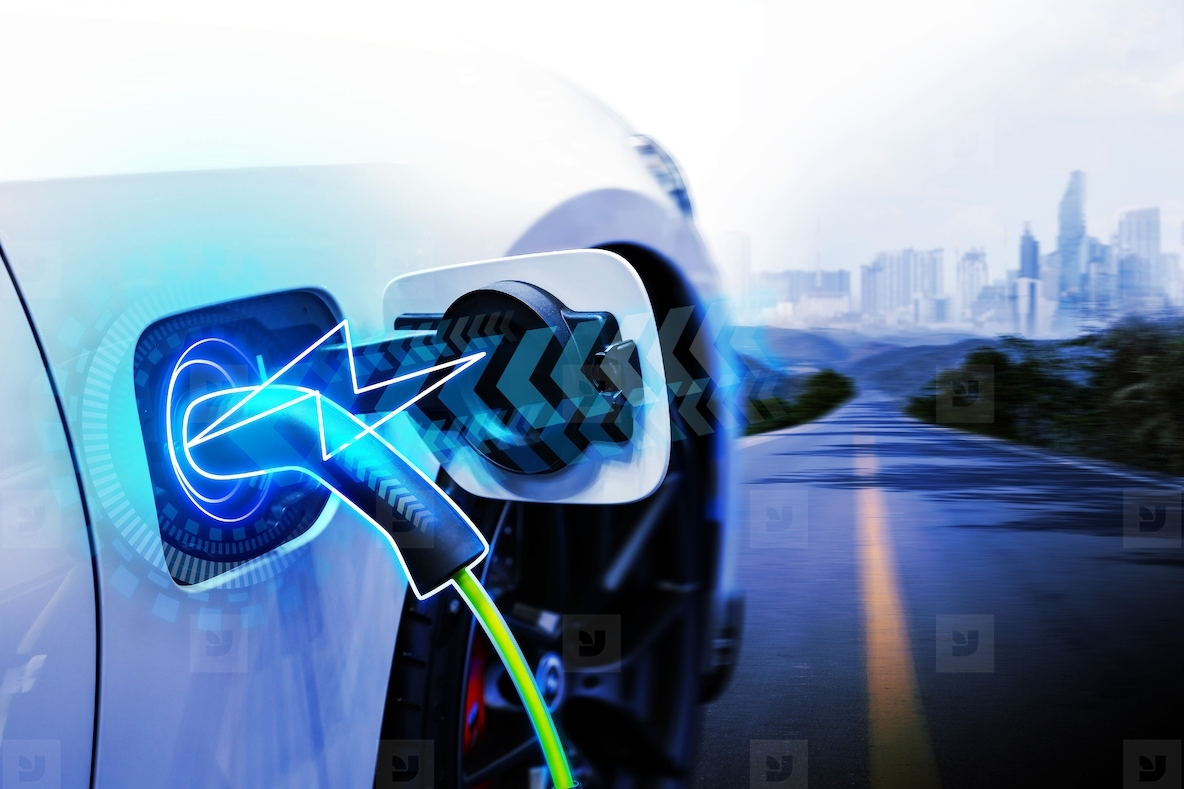
The adoption of electric vehicles (EVs) is rapidly increasing across Thailand, from the busy streets of Bangkok to the scenic routes of Chiang Mai. As more drivers make the switch to electric, the focus shifts towards the infrastructure that supports them. Efficient charging is a cornerstone of a positive EV ownership experience. Understanding the technology behind charging stations helps drivers get the most out of their vehicles.
Direct Current (DC) charging represents a significant leap forward in how we power our EVs. Unlike Alternating Current (AC) chargers, which require the vehicle’s onboard converter to change the electricity type, DC chargers supply power directly to the battery. This direct connection is what makes an EV fast charger dc station so effective. By bypassing the car’s internal converter, these chargers can deliver power at a much higher rate, substantially reducing the time spent waiting for a full charge.
This technology is especially beneficial for long-distance travel or for drivers who need a quick top-up during their day. Imagine driving from Phuket to Krabi and needing a rapid boost of energy. A DC fast charger provides a convenient and speedy solution, making electric travel more practical than ever. The efficiency gains are clear, allowing for more time on the road and less time tethered to a charging point.
The Technical Edge of DC Charging
The main difference between AC and DC charging lies in where the power conversion happens. With standard AC charging, common in homes and some public stations, the conversion from AC (from the grid) to DC (for the battery) is handled by a component inside the car. The size and capacity of this onboard charger limit the charging speed.
DC fast charging stations contain the converter within the unit itself. These are much larger and more powerful than any onboard converter could be. This setup allows them to feed high-voltage DC power directly to the vehicle’s battery management system. The result is a charging process that can be many times faster than the AC alternative. For instance, some advanced DC systems can replenish a significant portion of a battery’s capacity in under 30 minutes.
The Growing DC Network in Thailand
Thailand is actively expanding its network of public charging stations, with a strong emphasis on adding more DC fast charging options. This expansion is vital for supporting the government’s goals for EV adoption and for building driver confidence. You can now find these advanced chargers at shopping centres, service stations along major highways, and dedicated charging hubs in urban areas.
As this infrastructure continues to grow, the convenience of owning an EV in Thailand will only improve. Faster, more efficient charging makes electric vehicles a viable option for a wider range of drivers and use cases. By choosing to use DC fast chargers when available, EV owners can enjoy the full benefits of modern electric mobility, spending less time charging and more time enjoying the drive.