

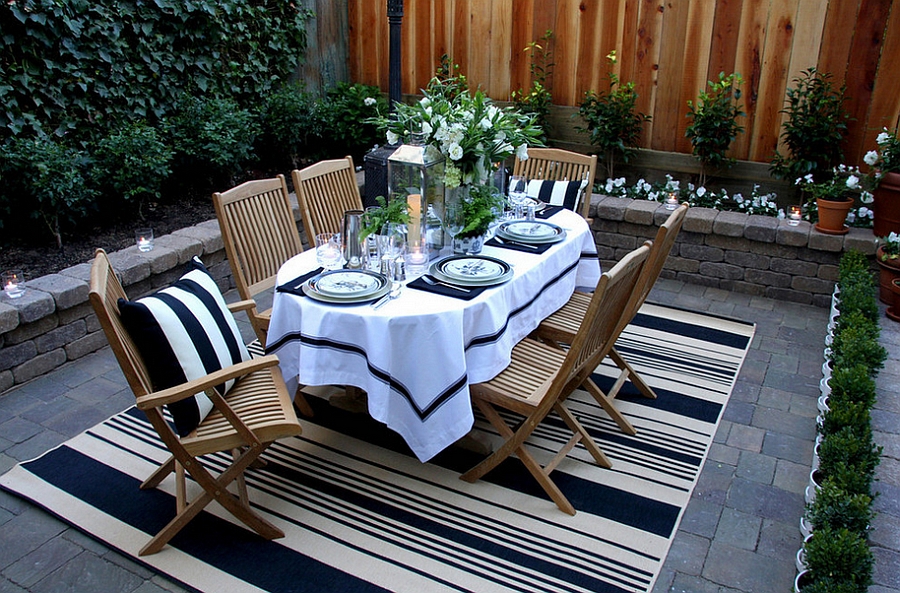
An outdoor area can offer peace, comfort, and beauty—if designed thoughtfully. Whether it’s a balcony, patio, or backyard, the right choices bring life to the space. Your goal should be simple: combine comfort and function with a layout that feels balanced. The key pieces to get right are your outdoor furniture, rugs, and dining table. These aren’t just items. They shape the way the space is used and how people feel when they’re in it.
Start With a Purpose in Mind
Before picking anything, ask yourself how you want to use the area. Is it a place for weekend meals, evening tea, or just a quiet place to read? The purpose should guide the layout.
If you love hosting, your setup should allow space for movement. A dining table near the kitchen or door helps. For those who prefer calm settings, a seating corner with soft cushions may be better. Each part of the space should have a reason behind it. That way, everything you choose serves a clear function.
Pick Furniture That Lasts and Looks Right
Buying outdoor furniture is not about style alone. It must be sturdy, easy to care for, and comfortable. Choose materials that hold up through heat, rain, and wind.
Teak is a strong option for wood lovers. It doesn’t bend or rot easily. Aluminium is light, doesn’t rust, and needs little upkeep. For a cozy feel, synthetic wicker offers warmth and is built for weather. Steel also works, though it may need occasional care to prevent rust.
Select chairs or sofas with washable covers. Look for items that dry fast and don’t trap dirt. If you can, try before buying. Sit on it. Move it. That way, you know how it feels and if it suits the space.
Use Rugs to Divide and Soften
Adding rugs outdoors does more than improve how things look. They help break up the area into parts—like a dining space or a lounge zone. They also add warmth and texture underfoot, making the surface more welcoming.
Go for materials made for outdoor use. Polypropylene is a top pick. It’s strong, doesn’t soak up water, and holds color. Avoid anything that stays wet or fades fast, like cotton or jute. These don’t handle outdoor wear and tear well.
Make sure the rug size suits the furniture it will sit under. A rug under a dining table should be large enough that chairs stay on it even when pulled back. Pick colors or patterns that balance the other pieces. If your furniture is neutral, a patterned rug adds life. If your setup already has bold tones, choose something calmer.
Choose a Dining Table That Matches Use and Layout
A good dining table can turn any yard into a place for shared meals. But the best one depends on how many people will use it, how much space you have, and what kind of upkeep you can manage.
For smaller patios, round or square tables are a safe bet. They use less space and make conversation easy. Large areas work better with long rectangular tables. These are great for big gatherings.
Teak works well for tables, just as it does for chairs. It handles spills and doesn’t warp. Aluminium tables feel lighter and modern. Stone tops look great but may need sealing or extra cleaning. Glass tops look clean but can be hard to keep smudge-free outdoors.
Check the height and seating. You should be able to slide chairs under the table with ease. People should sit without their knees touching the underside.
Make Sure Everything Feels Connected
Designing a space is about harmony. Your outdoor furniture, rugs, and dining table should feel like they belong together. That doesn’t mean they must match. But they should share a tone, shape, or texture.
Choose no more than three main materials or colors. This keeps the space from looking busy. If your chairs are wood, maybe your table also has wood tones, or your rug picks up the same shade. If your furniture is metal, balance it with softer details—like planters, cushions, or throws.
Leave breathing room between pieces. Don’t pack the space tight. Gaps allow light and air to flow, which makes everything feel more open and calm.
Think Ahead About Care and Storage
The weather will always affect anything you place outdoors. Even tough pieces need some help to last longer. That means planning for storage, covers, and simple care routines.
Use protective covers when items are not in use. Foldable chairs are easy to store during the off-season. Benches with hidden storage are perfect for storing cushions or smaller items.
If your rug gets soaked, dry it quickly. Roll it up and store it when not needed. Letting it stay wet for days weakens the material and creates a smell.
Tables need care too. Clean them with mild soap and dry them often. For wood, apply oil or sealant once a year. For metal or glass, wiping with a dry cloth prevents water spots.
Add Final Touches That Reflect Your Style
Once you’ve got the core setup, bring in your personal taste. Use planters, cushions, or side tables to add function and detail. Soft lights or candles make evenings feel warm and relaxed. A lantern or two changes the feel of the space right away.
Stick to a few pieces that bring you joy. Don’t fill every corner. Let the design breathe. A single flower pot or lamp can do more than a dozen small knick knacks.
For your dining table, a centerpiece like a bowl, tray, or plant adds interest without getting in the way of conversation.
Final Thought
A peaceful, useful outdoor space doesn’t need to be complex. With the right mix of outdoor furniture, well-placed rugs, and a practical dining table, you create a spot you want to return to. Focus on purpose, comfort, and flow. When you get those right, the rest comes naturally.