

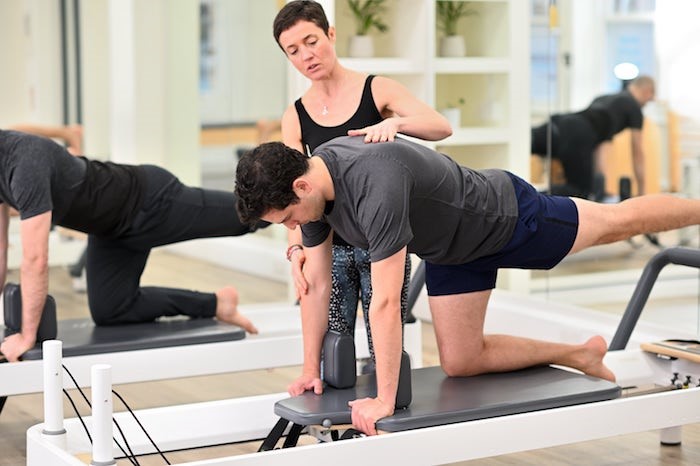
The road to recovery after an injury or chronic pain condition can be challenging, requiring patience, dedication, and the right rehabilitation method. One of the most effective ways to regain strength, flexibility, and balance is through Pilates reformer exercises. Unlike traditional workout routines, the Pilates reformer provides a controlled environment where movements can be tailored to support injury recovery while minimizing strain on joints and muscles.
For those looking to explore the benefits of Pilates reformer rehabilitation, Yoga Edition offers high-quality reformers and expert guidance to facilitate recovery and restore movement safely.
Why Choose Reformer Pilates for Rehabilitation?
Reformer Pilates is widely recommended by physical therapists, sports professionals, and rehabilitation specialists due to its low-impact yet highly effective nature. Whether recovering from surgery, an injury, or dealing with chronic pain, a Pilates reformer provides the following benefits:
- Supports Joint Health – The reformer allows for smooth, controlled movements that reduce stress on injured joints.
- Enhances Core Stability – A strong core is crucial for overall movement and injury prevention.
- Increases Flexibility – Gentle stretching combined with resistance training helps restore range of motion.
- Improves Posture and Alignment – Many injuries result from poor posture, which can be corrected through precise movements on the reformer.
- Encourages Mind-Body Connection – Pilates emphasizes breath control and concentration, promoting better movement awareness and coordination.
How Pilates Reformer Aids in Recovery
- Rehabilitation After Injury
Individuals recovering from sports injuries, car accidents, or post-surgical procedures often struggle with stiffness and muscle weakness. The Pilates reformer is uniquely designed to provide graded resistance, allowing patients to rebuild strength without straining the affected area.
Key Exercises for Injury Rehabilitation
- Footwork on the Reformer: Helps restore lower-body strength without putting excessive weight on the joints.
- Leg Circles: Improves hip mobility while strengthening stabilizing muscles.
- Spinal Articulation Movements: Encourages controlled, pain-free spinal mobility.
- Managing Chronic Pain Conditions
For individuals suffering from chronic conditions such as arthritis, lower back pain, or fibromyalgia, traditional exercise routines may cause discomfort. The Pilates reformer provides a supportive platform where movements can be modified to suit individual needs.
Benefits for Chronic Pain Sufferers
- Reduces Stiffness: Controlled, low-impact stretching helps keep joints mobile.
- Strengthens Muscles Without Overloading Them: Helps maintain strength without exacerbating pain.
- Encourages Blood Circulation: Improved circulation promotes healing and reduces inflammation.
- Postural Correction and Muscular Imbalances
Many individuals develop muscular imbalances due to prolonged sitting, poor posture, or repetitive movements. This imbalance often leads to pain and discomfort, particularly in the back, neck, and shoulders. Pilates reformer exercises help realign the body by targeting underactive muscles while relieving overused ones.
Key Postural Exercises on the Reformer
- The Chest Expansion: Strengthens the upper back and improves shoulder stability.
- The Rowing Series: Enhances shoulder mobility and corrects forward head posture.
- The Pelvic Curl: Engages the core and stabilizes the lower back.
Who Can Benefit from Reformer Pilates Rehabilitation?
Reformer Pilates is suitable for people of all ages and fitness levels. It is especially beneficial for:
- Athletes recovering from sports-related injuries
- Post-surgery patients needing controlled rehabilitation
- Elderly individuals looking to maintain mobility and reduce stiffness
- Office workers experiencing chronic back or neck pain
- Anyone seeking to improve their movement patterns and posture
How to Get Started with Reformer Pilates for Rehabilitation
Step 1: Consult a Medical Professional
Before beginning a Pilates reformer rehabilitation program, consult your doctor or physical therapist to ensure it is appropriate for your condition.
Step 2: Work with a Certified Pilates Instructor
A trained instructor will guide you through safe movements, ensuring you avoid improper techniques that could hinder recovery. Studios such as Yoga Edition offer professional support to help you tailor your workouts to your specific needs.
Step 3: Start with Gentle, Controlled Movements
Unlike high-intensity exercises, rehabilitation with a Pilates reformer should begin with slow, controlled movements that prioritize form over repetition.
Step 4: Increase Intensity Gradually
As your strength and flexibility improve, gradually increase resistance levels while maintaining proper alignment and control.
Step 5: Be Consistent
Consistency is key to effective rehabilitation. Aim for 2-3 sessions per week to experience noticeable improvements in strength, flexibility, and pain reduction.
The Future of Reformer Pilates in Rehabilitation
With the growing recognition of movement-based healing, Pilates reformer rehabilitation continues to be integrated into mainstream physical therapy and medical practices. New advancements, such as smart reformers with built-in tracking systems, are making it easier for individuals to monitor their progress and receive personalized feedback.
Final Thoughts
Healing through movement is a powerful approach to recovery, and the Pilates reformer provides an excellent platform to achieve this goal. Whether recovering from an injury, managing chronic pain, or seeking improved mobility, reformer Pilates offers a safe, effective, and adaptable solution for rehabilitation.
For those in Singapore looking to integrate Pilates reformer workouts into their recovery journey, Yoga Edition provides expert guidance and premium equipment to support your wellness path.