

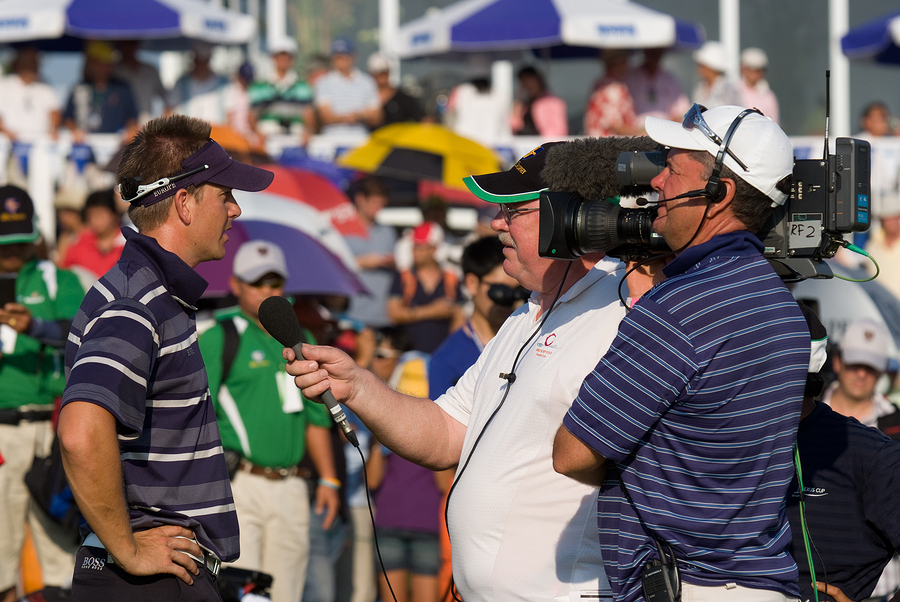
The voice is a sports broadcaster’s most essential tool. It’s the primary medium through which they connect with their audience, paint vivid pictures of the action unfolding, and convey the emotion and excitement of the moment. Many successful sports broadcasters have a natural affinity for public speaking and a deep-rooted passion for sports. These innate qualities form the foundation upon which they build their careers. A genuine enthusiasm for the game and a desire to share that excitement with others are often the driving force behind their pursuit of a broadcasting career.
Voice training – Honing the instrument
While natural talent is essential, most broadcasters invest significant time and effort into training their voices. This process involves working with vocal coaches or speech therapists to improve various aspects of their delivery, such as:
- Articulation – Broadcasters learn to enunciate clearly, ensuring each word is distinct and easy to understand.
- Pacing – They practice finding the right rhythm and tempo for their delivery, knowing when to speed up or slow down for maximum impact.
- Pitch and inflection – Vocal training helps broadcasters vary the tone and pitch of their voice to convey different emotions and keep listeners engaged.
- Breathing – Proper breathing techniques are crucial for maintaining vocal control and stamina throughout a broadcast.
Broadcasters refine their voices into polished, professional instruments through consistent practice and dedication.
Developing a signature style
Each broadcaster aims to cultivate a unique voice that sets them apart and resonates with their audience. This process involves experimenting with various techniques and finding what feels most authentic and natural. Some broadcasters opt for a high-energy, fast-paced delivery that mirrors the excitement of the game. Others prefer a more measured, conversational approach that creates a sense of intimacy with the listener. Some use humour and wit to engage their audience, while others rely on insightful analysis and storytelling. A broadcaster’s signature style emerges from a combination of their personality, the demands of their particular sport, and the preferences of their audience. It’s a delicate balance that requires self-awareness, adaptability, and a willingness to evolve continually.
Role of mentorship and feedback
Aspiring sports broadcasters often seek guidance from experienced professionals in the field. Mentorship is crucial in helping newcomers develop their voices and navigate the industry’s challenges. Many successful broadcasters credit their mentors with invaluable advice, feedback, and opportunities shaping their careers. In addition to mentorship, broadcasters rely on input from colleagues, producers, and audience members to refine their craft. Constructive criticism helps them identify areas for improvement, while positive reinforcement boosts their confidence and validates their approach. Broadcasters ensure their voices remain sharp and effective by remaining open to feedback and committed to continuous learning.
Adapting to different platforms and audiences
Sports broadcasters must be versatile enough to adapt their voices to various platforms and audiences. The vocal techniques that work for a live 무료해외축구중계 may differ from those required for a television commentary or a podcast.
For example, radio broadcasters must paint a vivid picture for listeners who can’t see the action, relying more heavily on descriptive language and vocal inflexion. Television broadcasters, on the other hand, have the benefit of visual aids, allowing them to focus more on analysis and storytelling. Broadcasters must consider the demographics and preferences of their audience. A broadcaster covering a local high school game will likely employ a different vocal style than one covering a professional national championship. The ability to adapt one’s voice to other contexts is a hallmark of a versatile and successful sports broadcaster.