

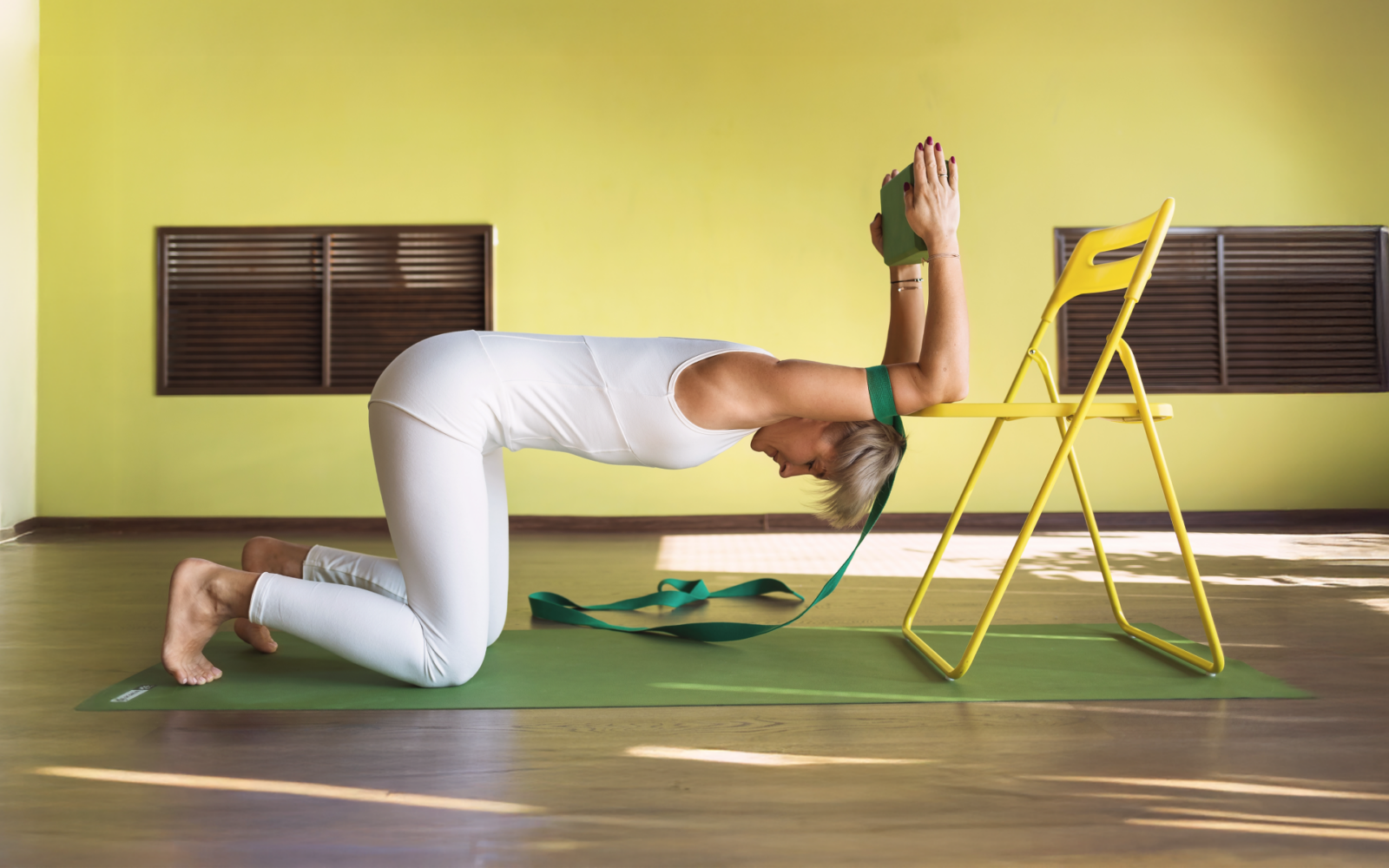
Workplace wellness platforms often struggle with participation. Employees may sign up for programmes but fail to attend because the activities feel inconvenient, too intense or unsuitable for different bodies. Adding chair yoga to digital wellness platforms can improve participation by making movement more accessible, practical and easy to integrate into workdays. Chair-supported yoga works well in workplace settings because it does not require a full studio setup, advanced fitness level or large space. Employees can practise from a chair, making it suitable for office environments, remote workers and hybrid teams. For technology-driven wellness platforms, this creates an opportunity to offer movement that feels realistic rather than aspirational.
Why workplace wellness participation is difficult
Many employee wellness programmes fail because they are not designed around real work behaviour. Employees may be busy, tired, self-conscious or unsure whether an activity suits them. If a programme requires changing clothes, travelling to another space or performing intense movement, participation may drop. Digital platforms can solve part of this problem by providing access, reminders and flexible scheduling. However, the activity itself must also be approachable. Chair-supported movement is useful because it lowers the barrier to entry.
Accessibility improves engagement
A wellness platform that includes accessible movement can serve a wider employee base. Not every employee wants high-intensity workouts. Some may have mobility concerns, age-related stiffness, stress, fatigue or discomfort from sitting all day. Chair-based yoga gives these employees a way to participate without feeling excluded. It can also appeal to people who simply want a short movement break during work hours. Accessibility is not only about physical ability. It is also about emotional comfort. Employees are more likely to join when they feel the practice will not embarrass or overwhelm them.
Short sessions for real workdays
Digital platforms can offer short chair yoga sessions that fit into work schedules. A 10 to 20 minute session may be easier to attend than a full hour. Short practices can focus on neck release, shoulder mobility, breath work, wrist care or lower back support. These shorter formats are practical for employees who need a reset between meetings. They can also be used as scheduled wellness breaks across teams.
Useful workplace chair yoga modules may include:
- Desk posture reset
- Shoulder and neck release
- Breath work for stress
- Wrist and forearm mobility
- Seated spinal movement
- End-of-day decompression
- Gentle energy reset before meetings
These targeted modules make the programme feel relevant.
Using reminders without creating pressure
Wellness platforms can send reminders, but they must be thoughtful. Employees already receive many notifications. A good reminder should feel supportive, not demanding. For example, a platform might suggest a short movement break after long calendar blocks. It might also allow employees to choose preferred times. Personalisation improves participation because employees feel more in control.
Tracking engagement responsibly
Platforms can track participation, completion rates and preferred session types. This data can help employers understand what employees actually use. If chair-based sessions have higher participation than intense workouts, wellness teams can adjust their offerings. However, tracking should be handled carefully. Employees should not feel monitored in a way that creates stress. The goal is to improve programme design, not judge individual behaviour.
Supporting hybrid and remote teams
Chair-supported yoga works well for hybrid work because it can be done almost anywhere. Remote employees can join from home. Office employees can practise at their desk or in a meeting room. This flexibility makes it easier to include distributed teams. A platform can offer live sessions, recorded modules or guided audio practices. Different formats allow employees to choose what suits their schedule.
Better participation through inclusive design
Technology alone does not make a wellness programme inclusive. The content must be inclusive too. Chair-based yoga is valuable because it communicates that wellness is for more than highly active employees. This can improve morale. Employees may feel that the company recognises different needs and comfort levels. Inclusive design can make wellness feel like support rather than performance.
Connecting digital platforms with studio expertise
A studio such as Yoga Edition can support workplace wellness by offering structured expertise that digital platforms can adapt into guided programmes. Professional instruction matters because even chair-based movement should be safe, purposeful and well cued. Combining platform convenience with skilled teaching creates a stronger experience.
Making workplace wellness easier to join
Chair-supported yoga can help workplace wellness platforms improve participation because it is accessible, practical and adaptable. It fits into real workdays and serves a wider range of employees. For wellness technology to succeed, it must reduce friction. Chair-based movement does exactly that. It gives employees a simple way to move, breathe and reset without needing to leave their work environment or feel intimidated by fitness culture.