

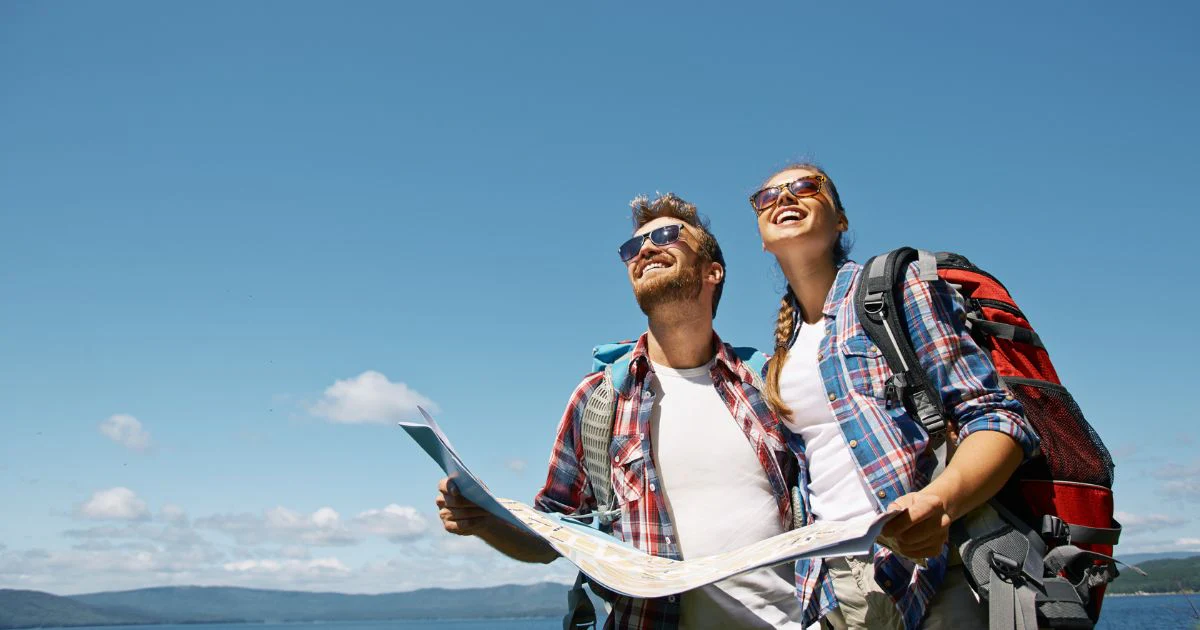
Travel, in its most basic form, is the act of moving from one place to another, but its true significance goes far beyond mere transportation. It is a window to new experiences, an opportunity to broaden one’s perspective, and a powerful catalyst for personal growth. From the early explorers venturing into the unknown to modern-day travelers seeking relaxation or adventure, travel has always been intertwined with human curiosity, ambition, and the desire for connection. It shapes not only the landscapes we visit but also the way we view the world and ourselves. In this article, we delve into the evolution of travel, its impact on society and culture, and how it continues to transform the way we experience the world today.
The Origins of Travel: From Necessity to Exploration
In ancient times, travel was a necessity driven by survival, trade, and migration. Early humans moved in search of food, shelter, and more favorable climates, and the concept of movement from one place to another was intimately tied to the demands of nature. The ancient Egyptians, Greeks, and Romans, however, began to understand travel as something more than a mere necessity. It became a tool for exploration, learning, and commerce.
For the Romans, travel was crucial for expanding their empire and maintaining their dominance. Roads, bridges, and shipping routes were meticulously built to facilitate the movement of armies, goods, and ideas across vast territories. The concept of “Romanitas,” or the cultural identity of the Roman Empire, spread through travel, as soldiers and traders encountered new peoples and cultures, often leaving behind lasting influences.
The Middle Ages, by contrast, saw travel restricted mainly to the elite—pilgrims journeying to holy sites, royals making diplomatic trips, and merchants trading goods. Travel was often dangerous and arduous, and those who ventured far from home were met with uncertainty. Despite these challenges, however, the exchange of ideas, goods, and technology continued, setting the stage for a more interconnected world.
The Age of Exploration: Expanding Horizons
The 15th and 16th centuries marked a turning point in the history of travel. With the Age of Exploration, humanity’s ambitions soared beyond the horizons of the known world. Driven by curiosity, adventure, and the desire for wealth, explorers such as Christopher Columbus, Vasco da Gama, and Ferdinand Magellan embarked on voyages that forever altered the course of history. These journeys not only mapped uncharted territories but also facilitated the exchange of cultures, ideas, and technologies between previously isolated parts of the world.
The discovery of new lands led to the establishment of global trade routes, transforming travel into a dynamic force that connected continents and cultures. The development of new navigational tools, such as the compass and the astrolabe, made long-distance travel more feasible, and the era of exploration helped lay the foundation for the modern world’s interconnectedness.
However, the Age of Exploration also had a dark side, as European colonial powers imposed their will on indigenous populations, exploiting resources and cultures in the name of progress. While exploration brought about cultural exchange, it also led to the displacement and destruction of countless civilizations. The duality of exploration—its potential for both enlightenment and exploitation—remains a critical element in the history of travel.
The Industrial Revolution: Making Travel Accessible
The Industrial Revolution in the 19th century marked another pivotal moment in the history of travel, particularly in terms of accessibility. Prior to this period, travel had remained largely confined to the elite and the adventurous. But the advent of steam engines, railroads, and eventually automobiles and airplanes, brought transportation to the masses.
The creation of railways, in particular, revolutionized travel. Trains made long-distance travel faster, more comfortable, and more affordable, opening up new opportunities for exploration, commerce, and leisure. The development of luxury trains, such as the Orient Express, made travel an experience to be savored, while the rise of the “grand tour” in Europe, particularly among the British aristocracy, turned travel into a rite of passage for young elites.
At the same time, the burgeoning middle class began to enjoy more freedom and mobility, thanks in part to cheaper and more reliable transportation options. The steamship made overseas travel easier, bringing people from all over the world into contact with different cultures, while new inventions like the bicycle and automobile made travel more individualistic and personal.
The rise of mass tourism during this period was also facilitated by the expansion of hotels, restaurants, and leisure activities designed to cater to the needs of travelers. Travel was no longer just a necessity or a luxury for the few; it was becoming a common aspiration, a pursuit of personal enrichment, relaxation, and adventure.
The 20th Century: Travel as a Global Phenomenon
The 20th century saw the acceleration of travel in ways previously unimaginable. The invention of the airplane revolutionized travel, shrinking the world and making long-distance journeys quicker and more affordable. The first commercial airline flights in the 1920s, followed by the widespread use of jet engines after World War II, made international travel a reality for millions.
The post-war era also saw the rise of the packaged holiday, as travel agencies and tour operators made it easier for people to book vacations to far-flung destinations. The notion of travel as a form of relaxation and recreation became a staple of the modern middle class. Beaches in the Caribbean, skiing in the Swiss Alps, and the allure of Paris became accessible to a broader swath of society, marking a democratization of leisure travel.
Simultaneously, globalization and increased interconnectedness led to an unprecedented flow of people, goods, and ideas across borders. This era of easy travel also led to the rise of cultural tourism, as people began to explore foreign lands not just for relaxation but also for intellectual and cultural enrichment. Museums, ancient ruins, and historical landmarks became some of the world’s most visited attractions.
However, this surge in travel also brought challenges. The rise of mass tourism led to concerns about over-tourism and the degradation of natural and cultural landmarks. Air travel, with its environmental costs, became a focal point for discussions about sustainable tourism. While travel had brought people closer together, it also raised questions about its long-term impact on the planet and its ability to preserve the very cultures and environments people were eager to experience.
The Digital Age: The Evolution of Travel in the 21st Century
In the 21st century, travel has entered a new phase, driven by technology, social media, and a shift in consumer values. The rise of online platforms such as Airbnb, Expedia, and Booking.com has made it easier than ever to plan and book travel, with options ranging from boutique accommodations to luxurious resorts. The convenience of these platforms, coupled with real-time reviews and social media recommendations, has empowered travelers to take control of their experiences.
Social media has also transformed travel by making it more personal and shareable. Platforms like Instagram, Facebook, and YouTube have become essential tools for both travelers and the travel industry. Influencers and bloggers shape trends, recommend destinations, and offer personalized travel tips, while users themselves share snapshots of their adventures, inspiring others to explore new places.
At the same time, there is a growing movement toward sustainable travel. Increasing awareness about climate change and its effects on the environment has led to a new generation of travelers who prioritize eco-friendly practices. From choosing carbon-neutral flights to supporting local businesses and preserving natural landscapes, the modern traveler is increasingly mindful of their impact on the world. Responsible travel, slow travel, and off-the-beaten-path exploration are gaining popularity as travelers seek more authentic and meaningful experiences.
The Future of Travel: A World of Possibilities
Looking ahead, the future of travel is shaped by both opportunities and challenges. Technological innovations like virtual reality (VR) and augmented reality (AR) could revolutionize the way we experience destinations, providing immersive previews or virtual tours of places we might not physically visit. Autonomous vehicles, drone travel, and space tourism are no longer just ideas in science fiction; they are rapidly becoming a reality, offering new ways to experience the world.
However, with the increasing accessibility of travel comes the responsibility to ensure that it remains sustainable. The tourism industry will need to adapt to the challenges posed by over-tourism, environmental degradation, and cultural appropriation. Governments, businesses, and travelers alike will have to work together to preserve the world’s natural wonders and cultural heritage, ensuring that future generations can continue to explore, learn, and grow through travel.
Conclusion: Travel as a Pathway to Understanding
Travel, in all its forms, remains one of the most enriching experiences humanity has to offer. It is an act of discovery, not only of the world around us but also of our own identities, values, and connections to others. From the explorers of ancient civilizations to the modern-day adventurers and digital nomads, travel has always been a force that propels humanity forward, enriching our understanding of the world and the diverse cultures that inhabit it.
As we continue to explore new frontiers—both physical and digital—travel will remain an essential part of the human experience, a means of broadening horizons, fostering empathy, and embracing the shared beauty of our planet. Whether we are journeying to far-flung destinations or discovering the hidden gems in our own backyard, travel will always be a reminder that the world is vast, diverse, and full of opportunities for discovery.